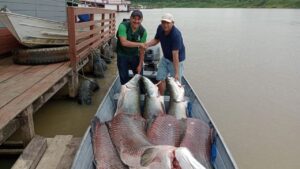
Held in Belém (PA), the conference increased the pressure for concrete commitments to intercultural science, fair funding, sociobioeconomy, and territorial rights.
By João Campos e Silva and Indiara Bessa
The participation of Instituto Juruá in COP30 was marked by a combination of political hope and a critical view of the limits of the international climate agenda. Held in Belém, capital of Pará, between November 10 and 21, 2025, the 30th United Nations Conference of the Parties on Climate Change took place for the first time in the Amazon, a region that is strategic for the planet’s climate balance and central to the future of negotiations on forests, biodiversity, climate justice, and international funding.
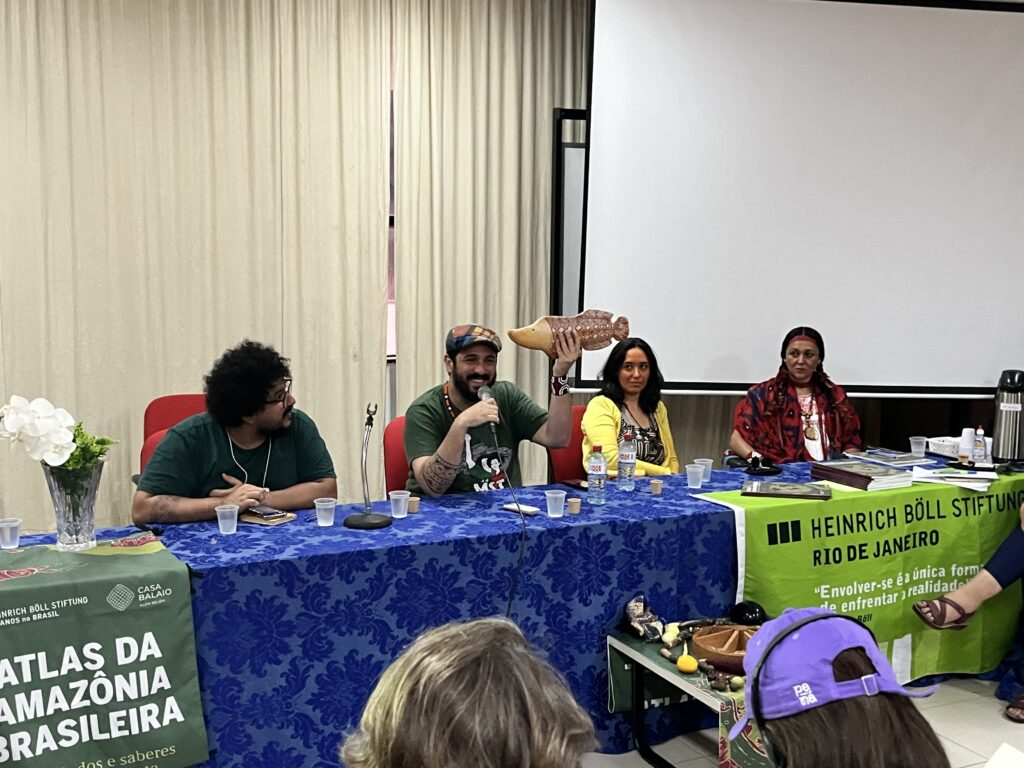
For Instituto Juruá, the holding of COP30 in Amazonian territory represented an important turning point in the global debate. By shifting the center of the conference to the Amazon, the event brought negotiators, political leaders, researchers, and civil society representatives closer to a reality that is often discussed from a distance, but which concentrates some of the greatest challenges and possibilities for addressing the climate crisis.
“The holding of COP30 in the Amazon had a profound significance. It placed the climate debate within a territory that is decisive for the planet and allowed the world to look more closely at the complexity of the region, the strength of its peoples, and the urgency of the solutions that need to be built with those who live in and protect the forest,” says João Campos Silva, director of Instituto Juruá and author of the text.
“The holding of COP30 in the Amazon had a profound significance. It placed the climate debate within a territory that is decisive for the planet and allowed the world to look more closely at the complexity of the region, the strength of its peoples, and the urgency of the solutions that need to be built with those who live in and protect the forest,” says João Campos Silva, director of Instituto Juruá and author of the text.
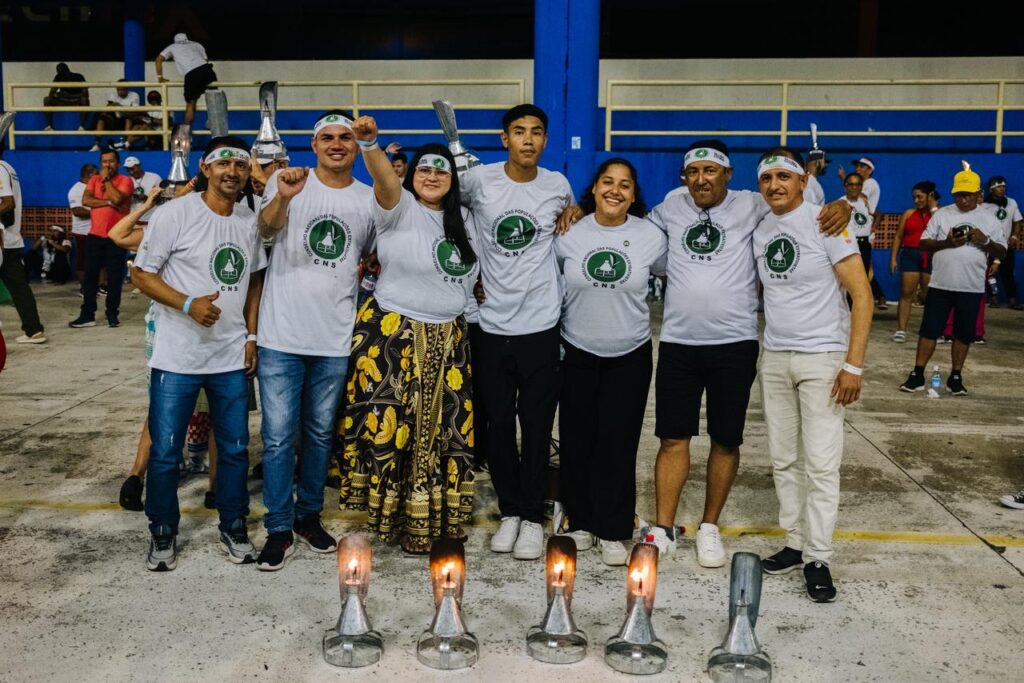
Throughout the conference and its expanded agenda of debates, Instituto Juruá highlighted, as one of the main positive signs of COP30, the strong presence of social movements, Indigenous peoples, and traditional communities in Belém. For the organization, this participation helped affirm that there is no consistent way out of the climate crisis without the recognition of territorial rights, the diversity of knowledge, and the historical protagonism of these groups in biodiversity conservation and forest protection.
At the same time, the Institute assesses that the symbolic centrality of the Amazon at COP30 does not eliminate a persistent concern: the gap between the public commitments made by governments and global leaders and the effective implementation of policies and investments commensurate with the climate emergency.
“COP30 was very important for taking place in the Amazon and for increasing the visibility of the territories and their peoples. But we still face a central question: whether the international community is truly willing to turn discourse into action, with structural commitments, adequate funding, and decisions commensurate with the severity of the climate crisis,” says João Campos Silva.
Priorities in the debate
During its participation in dozens of events and debates throughout the COP30 process, Instituto Juruá advocated four priorities considered strategic for the Amazon and for a more just and effective climate agenda.
The first was the strengthening of intercultural science, with the defense of concrete mechanisms to bring academic science, Indigenous sciences, art, and traditional knowledge closer together under conditions of equity. For the Institute, lasting responses for the Amazon depend on the ability to build knowledge through dialogue between different ways of understanding and caring for the territory.
The second priority was the revision of international funding mechanisms, so that climate resources reach organizations, leaders, and communities working on the front lines of conservation in a more direct, accessible, and effective way.
The Institute also advocated for the expansion of robust payment-for-ecosystem-services programs for Indigenous peoples and local communities, recognizing the essential role of these groups in maintaining territories that are fundamental for global climate stability.
Sociobioeconomy
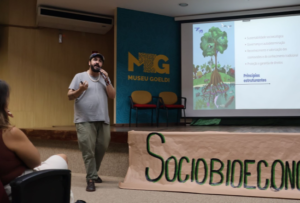
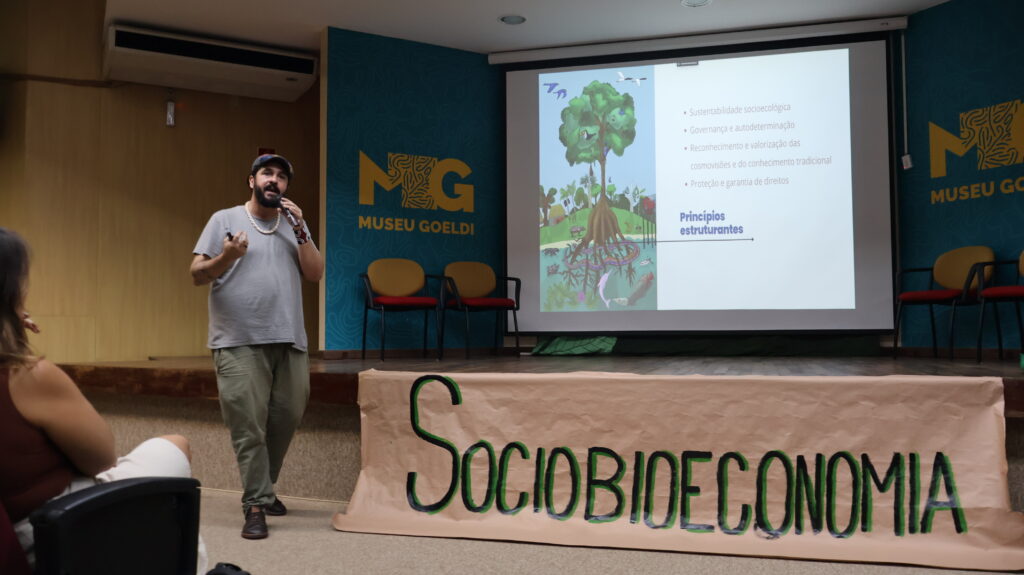
Finally, the organization brought to COP30 the advocacy for strengthening Amazonian sociobioeconomy as a structuring public policy. In Instituto Juruá’s assessment, consolidating a model of sustainable development for the Amazon requires scaled investment, institutional continuity, and the recognition that standing forests need to be at the center of a strategy for prosperity in the region.
“It is not enough to recognize the importance of the Amazon in official statements. It is necessary to ensure real conditions for forest peoples, local organizations, and territorial networks to have access to funding, influence in decision-making, and the capacity to lead solutions. Sociobioeconomy, social justice, and the valorization of traditional knowledge need to cease being peripheral and come to occupy the center of climate action,” says João Campos Silva.
Instituto Juruá’s participation in COP30 reaffirms the advocacy for an agenda in which conservation, social justice, knowledge production, and structural investment go hand in hand. At a conference held in the Amazon, the institution emphasized that the global climate future depends largely on the capacity to listen to the territories, strengthen those who protect them, and turn promises into concrete action.