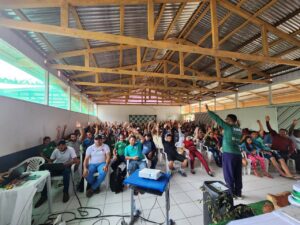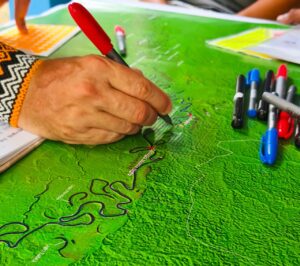
The Instituto Juruá takes part in the 2026 General Assembly of ASMAMJ and reaffirms its commitment to women’s empowerment
By: Maria Cunha
In March, as we celebrate International Women’s Day, we are invited to reflect more deeply on the role of women in society, their historical struggles, and the achievements built over time through courage, resilience, and unity. More than a commemorative date, this period symbolizes an ongoing movement for the recognition, respect, and appreciation of women in all spaces, especially in territories where their voices have often been silenced and made invisible.
Speaking about the women of the territory is speaking about stories that are intertwined with the very construction of the community itself. They are women who preserve ancestral knowledge, care for the land, their families, and collective relationships, lead initiatives, educate, welcome others, and resist in the face of everyday challenges. Each one carries a unique journey, yet all share the strength to transform realities, even in the face of adversity.
In this context, valuing the women of the territory is an urgent and necessary action. Recognizing their importance is not merely a symbolic gesture, but a concrete commitment to equity, social justice, and the strengthening of communities. It means ensuring that their voices are heard, their experiences are respected, and their participation in decision-making spaces is guaranteed and expanded.
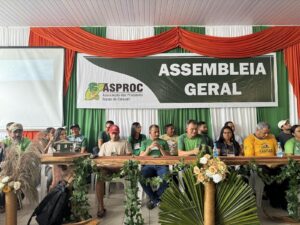
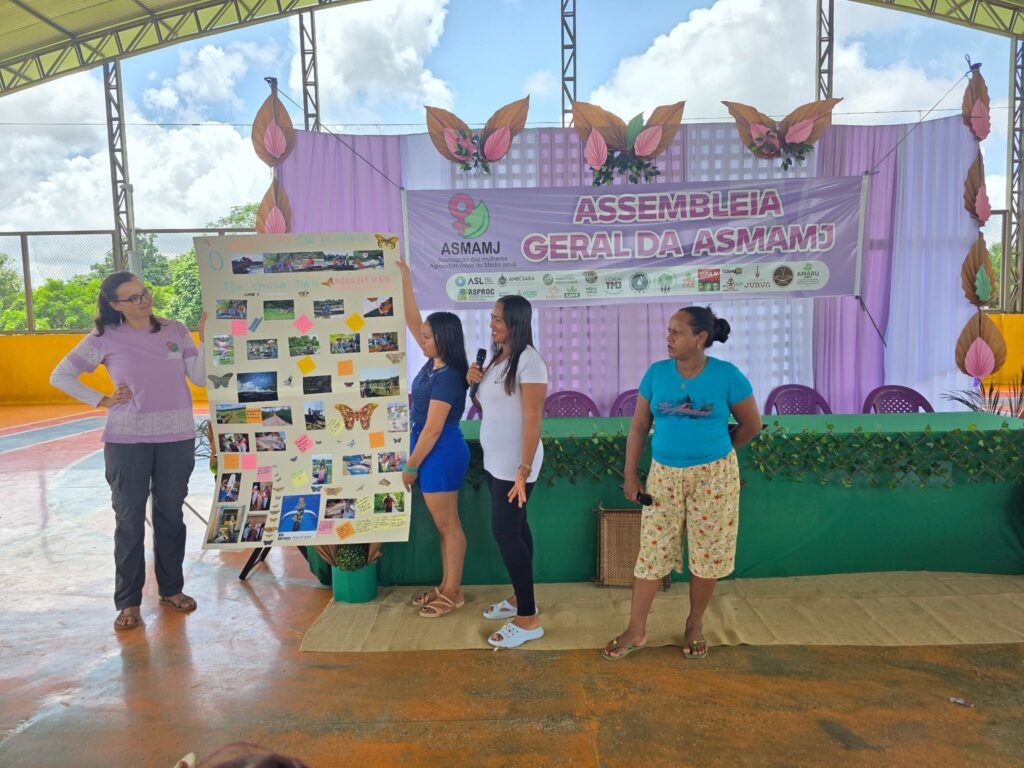
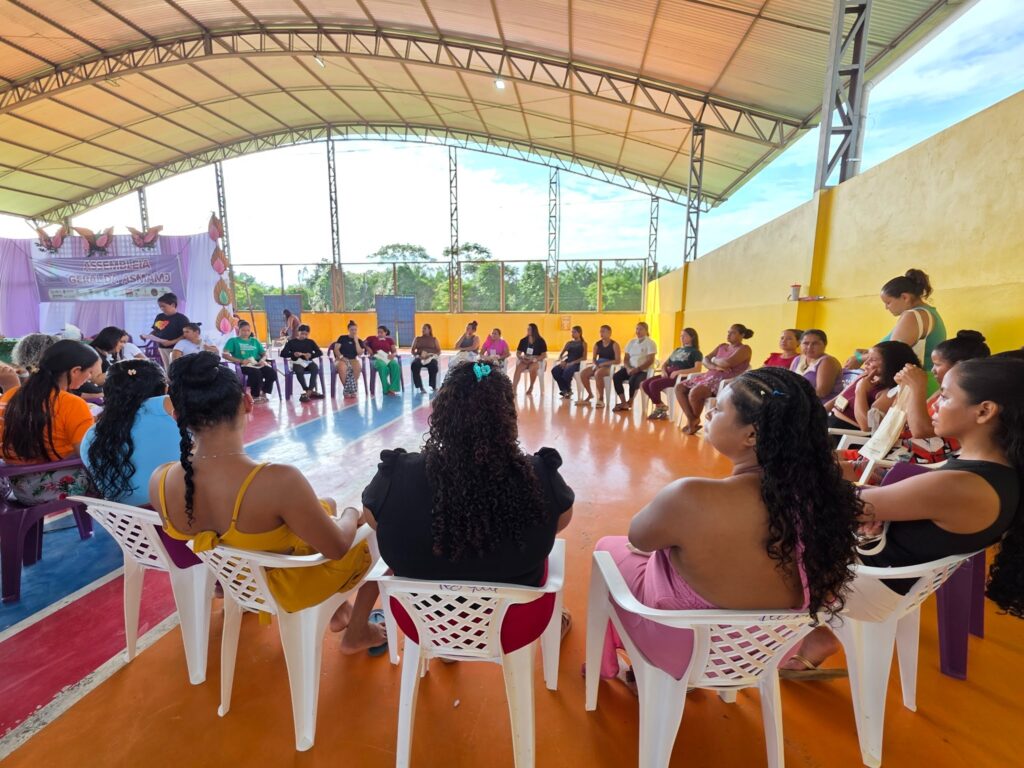
It is within this context that the participation of the Instituto Juruá in the General Assembly of ASMAMJ (Association of Agro-Extractivist Women of the Middle Juruá) stands out as a significant moment of dialogue, listening, and collective building. The Institute’s presence reaffirms its commitment to women’s empowerment and to supporting organizations that work directly within the territories, promoting initiatives focused on social and human development.
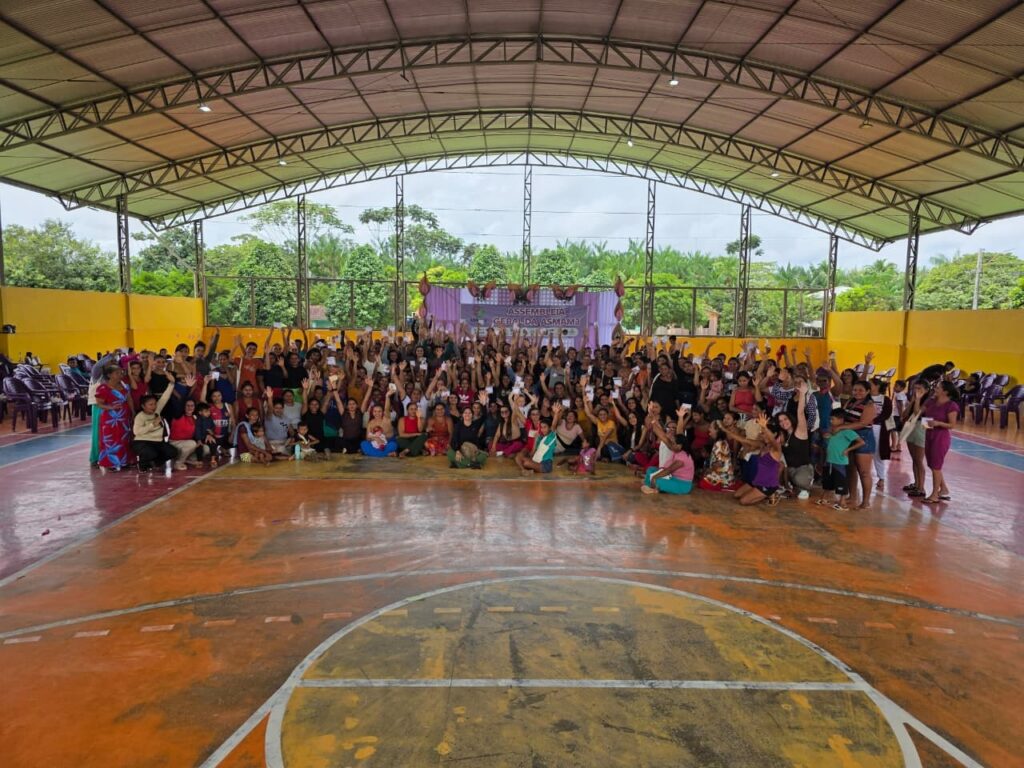
During the assembly, key issues related to women’s rights, their autonomy, and the need to expand policies and initiatives that ensure better living conditions were brought to the forefront. The active participation of women in this space demonstrates not only their leadership capacity, but also the importance of their role in shaping strategies that directly impact their communities.
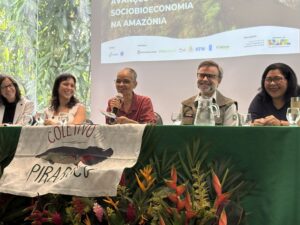
Another important aspect is the strengthening of decision-making and support spaces, which have been fostering significant changes in the territory and in the lives of women. Among these participation initiatives, particular emphasis is given to women’s involvement in sociobiodiversity value chains, which are essential for valuing the knowledge and work of women from the Middle Juruá region.
The integrated work carried out by different organizations enables the development of broader strategies and strengthens initiatives aimed at valuing women. This collective effort demonstrates that the commitment to gender equity, women’s autonomy and territorial development is not isolated, but rather collective and continuous.
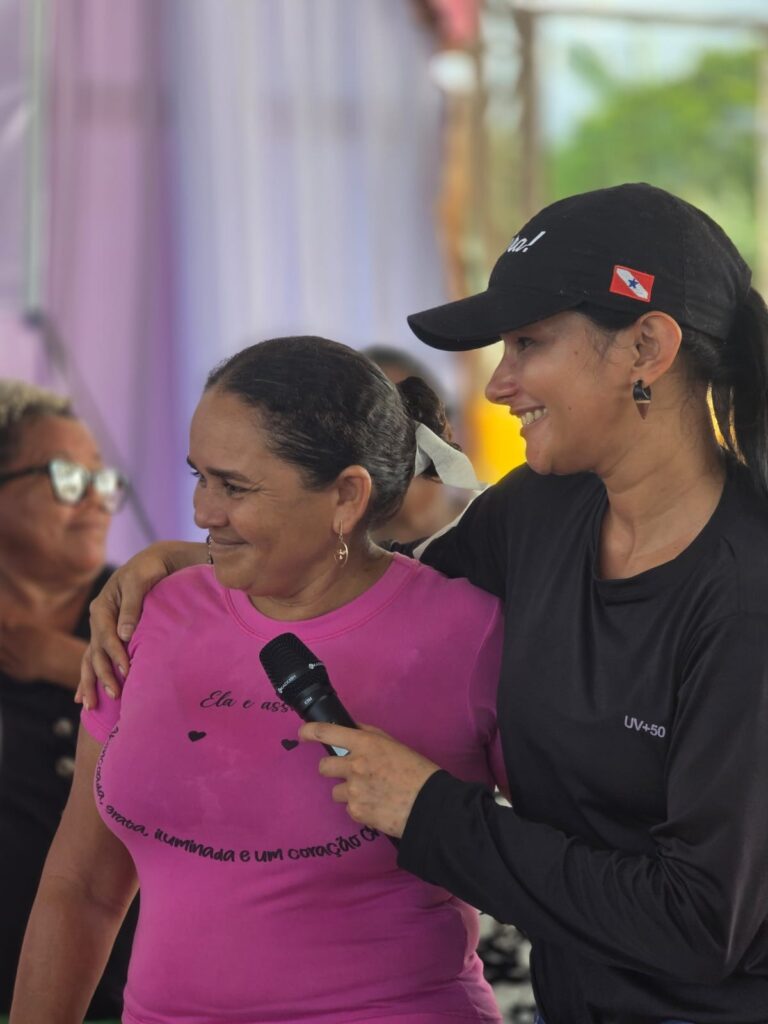
In this context, the joint presence of these institutions strengthens the legitimacy of the causes being advocated, increases the visibility of women’s demands and creates more opportunities to influence public policies and concrete actions. Each organization brings its own experience, history and way of working, and it is precisely through the combination of these different perspectives that a richer approach is built, one that is more attentive to local realities and more committed to lasting results.
Instituto Juruá, through its collaborative work, positions itself as both an articulator and supporter of collective processes. Its presence goes beyond institutional participation, translating into active listening, respectful dialogue, commitment and action in support of the causes that emerge from the territory. By working alongside other organizations, it helps strengthen the development of solutions grounded in the lived realities of women, while respecting their identities, their own rhythms and their needs.
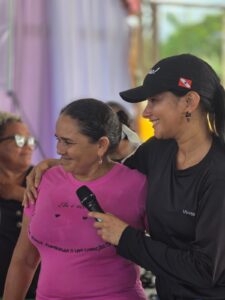
This work contributes to the cause of women from traditional communities, who increasingly recognize the existence of a support network for their struggles. Knowing that different institutions are aligned around common goals strengthens trust, encourages participation and broadens engagement in decision-making spaces. This is essential to ensure that women not only occupy these spaces, but also play a leading role in shaping the decisions that impact their lives and their communities.
Another important aspect is that the presence of multiple organizations enables a broader reach for the actions being carried out, expanding the social impact of these initiatives. Projects, training activities, campaigns and other actions become stronger when developed collaboratively, reaching more people and promoting more meaningful transformations within the territory.
The women’s assembly within the territory is therefore established as an essential space for valuing collective action. Recognizing its importance means affirming that joining efforts is a powerful way to strengthen the women of the territory, expand their rights, and ensure that their voices continue to be heard.
Supporting these initiatives means recognizing the central role of women in building a more just, sustainable and equitable future. Without the full participation of women, development remains incomplete, there is no social justice and no lasting transformation.
May this partnership continue to grow, inspiring new collaborations and strengthening an ever more committed network dedicated to valuing women and promoting the sustainable development of communities. May International Women’s Month inspire us to keep moving forward, expanding spaces and ensuring that every woman is recognized in her dignity, her strength and her right to exist and make decisions about her own story. May initiatives like this continue to multiply, consolidating a path of respect, recognition and women’s leadership in every space, across every territory and alongside all women.