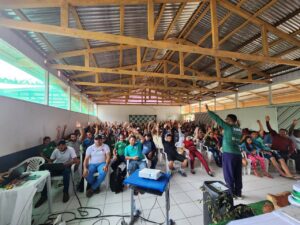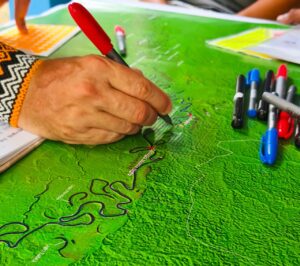
Engagement strengthens community leadership and fosters dialogue in the construction of collective decisions within the territory
By Maria Cunha
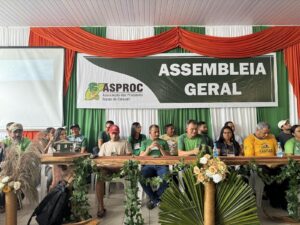
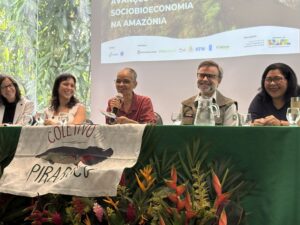
Assemblies are collective spaces for gathering, dialogue and decision-making, where members, representatives of organizations, community leaders and residents come together to discuss issues that are important to their communities and territory. More than formal meetings, they are dynamic moments of democratic participation, where every voice matters and contributes to shaping the directions of actions that directly impact the lives of these communities.
During these meetings, challenges are presented, experiences are shared, previously implemented actions are evaluated and new strategies are planned. They also serve as spaces for accountability, strengthening partnerships and aligning the efforts of different actors working within the territory. Assemblies ensure that decisions are not made in isolation, but collectively, while respecting the diversity of opinions and local realities.
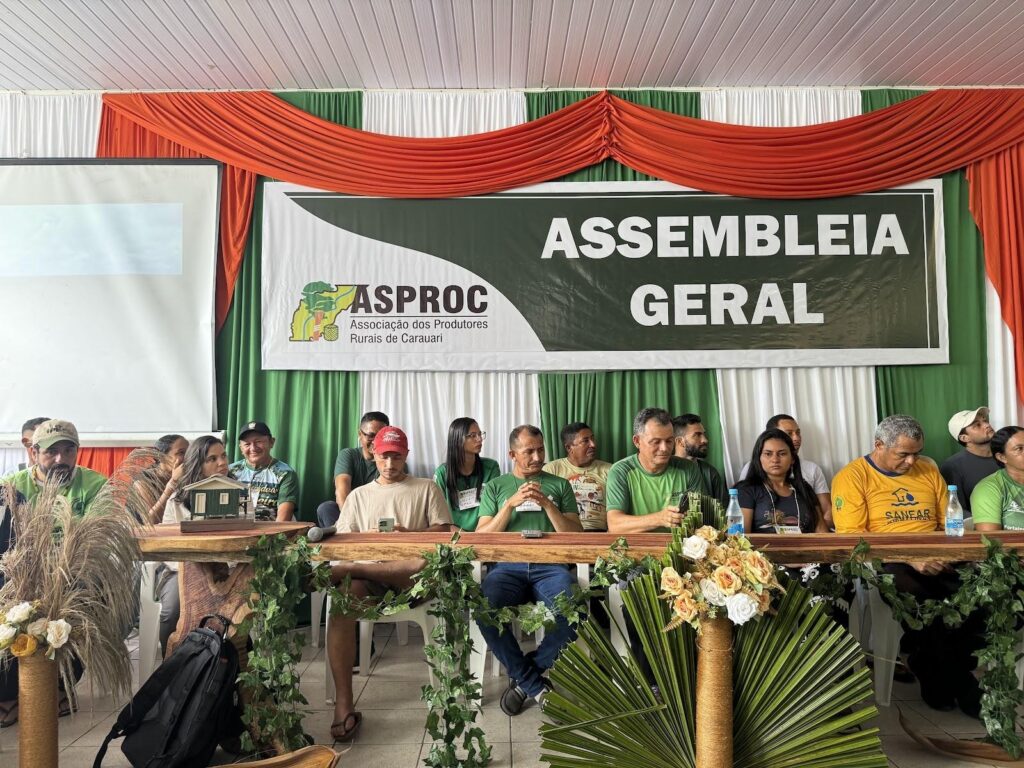
The importance of these moments for organizations lies mainly in the opportunities they create for interinstitutional collaboration and for strengthening connections among people. Through the promotion of these assemblies, organizations move beyond fragmented action and begin to build integrated initiatives with greater impact. This strengthens the network of action within the territory, expands the reach of initiatives and contributes to approaches that are more closely aligned with the real needs of communities.
For communities, assemblies represent spaces for listening, expression and recognition. They provide opportunities for people to voice their demands, suggest solutions and actively participate in the decisions that affect their daily lives. This process strengthens the sense of belonging, encourages social participation and contributes to collective empowerment.
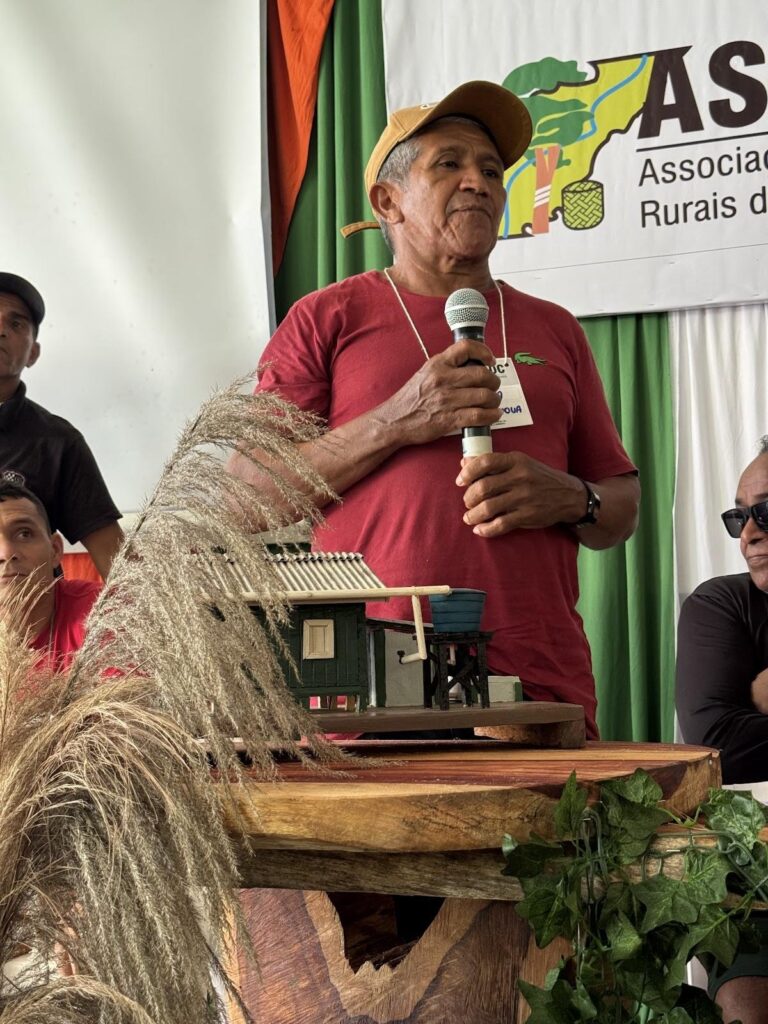
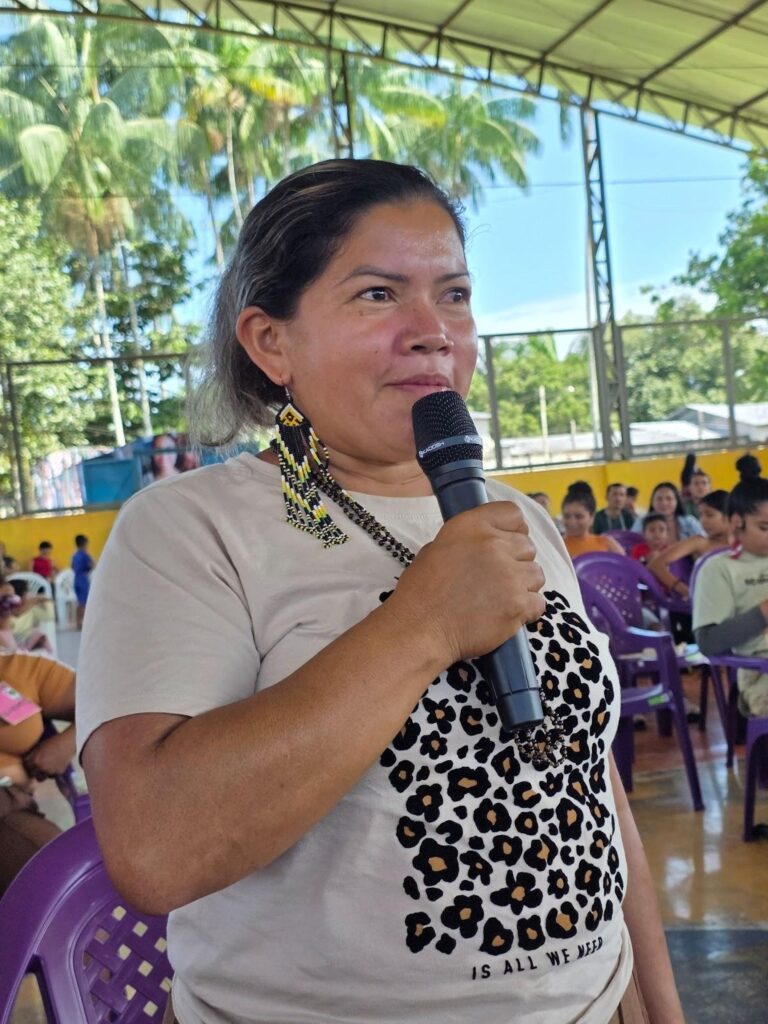
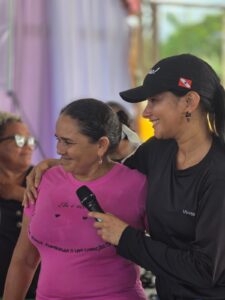
Community leaders – Raimundo, from the Morada Nova Community, during the 2026 ASPROC assembly, and Mariwan, from Taquara Village, in the Kanamari do Taquara Indigenous Territory, during the 2026 ASMAMJ assembly.Photos: Maria Cunha / Instituto Juruá Archive
In addition, this space for voice and representation by members and community participants is fundamental to social organization. These assemblies help structure processes, define priorities and build consensus. They are also spaces for learning, where participants gain knowledge about rights, public policies and forms of mobilization. By participating, both organizations and communities develop skills in dialogue, negotiation and leadership.
For this reason, general assemblies are not merely occasional meetings, they are essential tools for organization, resistance and transformation. Instituto Juruá’s participation in these TMJ assemblies goes far beyond occupying a seat or simply being present. It is an act of collective construction, in which each supporting organization takes on its role as a political actor, bringing voice, energy and new perspectives to the debates that shape the present and future of the communities where they operate.
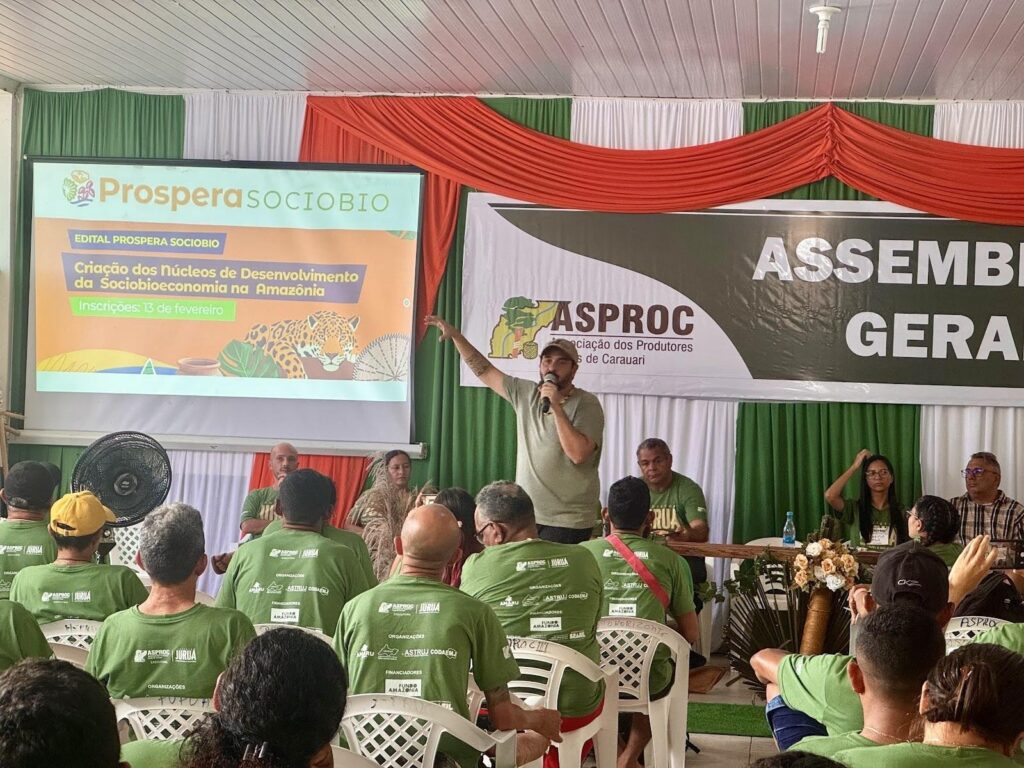
In this context, collective action is strengthened by collaboration in the search for solutions to the demands represented by the association or cooperative, in dialogue with the specific needs of each group. Within this framework, Instituto Juruá affirms its role of participation, guided by a key understanding: the strengthening of communities does not occur in isolation, but through collective construction, ongoing dialogue, and organization. It is in this space that different voices come together, supporting institutions, community leaders, youth, and women, to reflect on present challenges and outline paths toward a more just, sustainable, and inclusive future. Sharing experiences, identifying priorities and building joint strategies.
These are assemblies of grassroots organizations, such as ASPROC (Association of Rural Producers of Carauari), ASMAMJ (Association of Agroextractivist Women of the Middle Juruá), AMAB (Association of Agroextractivist Residents of the Lower Middle Juruá), among other organizations operating in the TMJ that hold these meetings annually or whenever necessary. The importance of this space for each organization is evident in its ability to structure collective actions in a more efficient and aligned way.
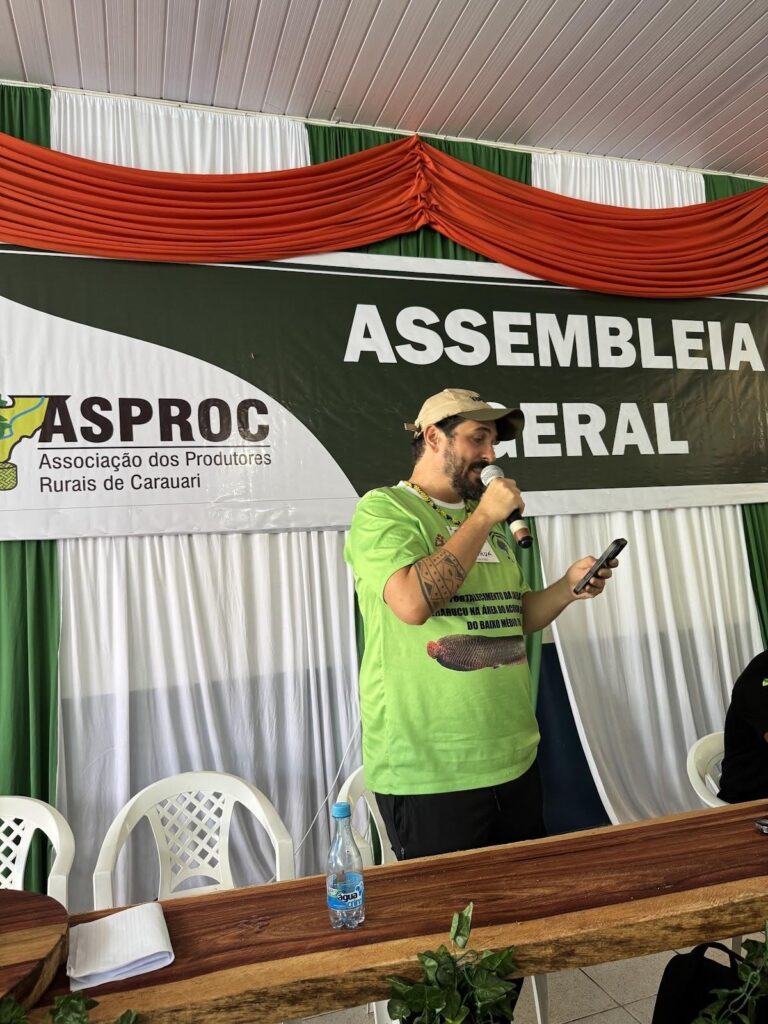
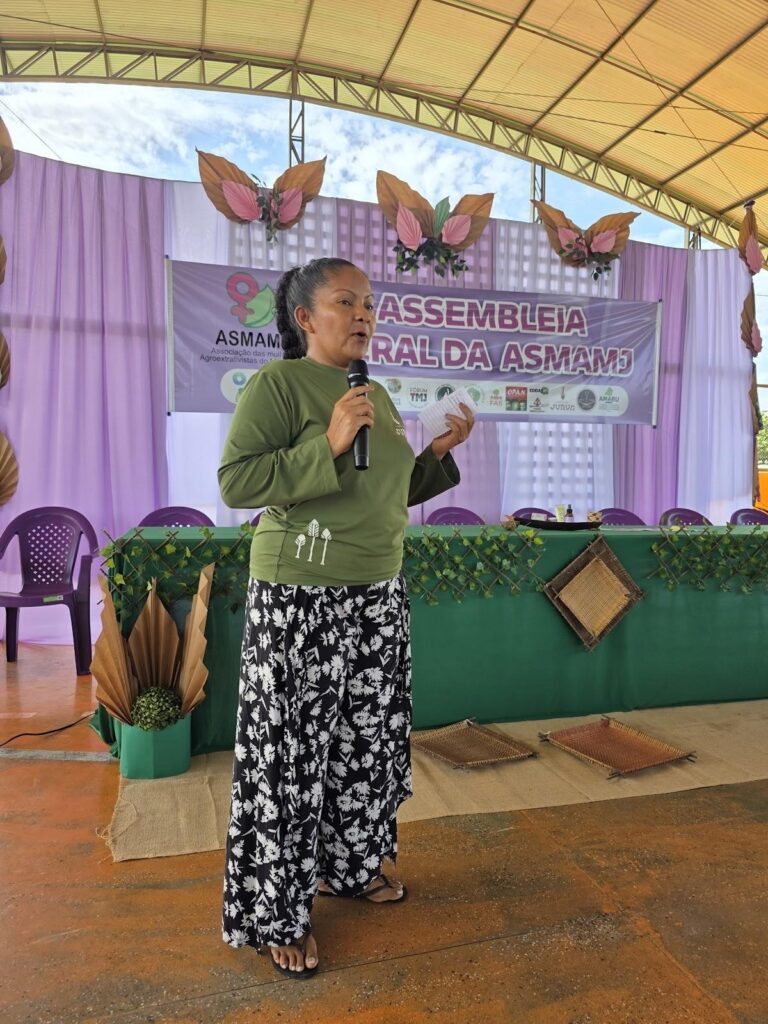
Almira Silva – local coordination of Instituto Juruá, at the ASMAMJ AGO; and João Campos e Silva – President of Instituto Juruá, at the ASPROC AGO.
When an organization actively participates in these spaces, it does not operate in isolation, but as part of a broader network of social actors, such as the Middle Juruá Territory Forum – TMJ Forum. This forum represents the set of organizations working within the same territory and collaborating on the front line of representation of Indigenous peoples, riverine communities, women, youth, extractivists and local communities in general, as well as projects and initiatives that positively impact the lives of residents.
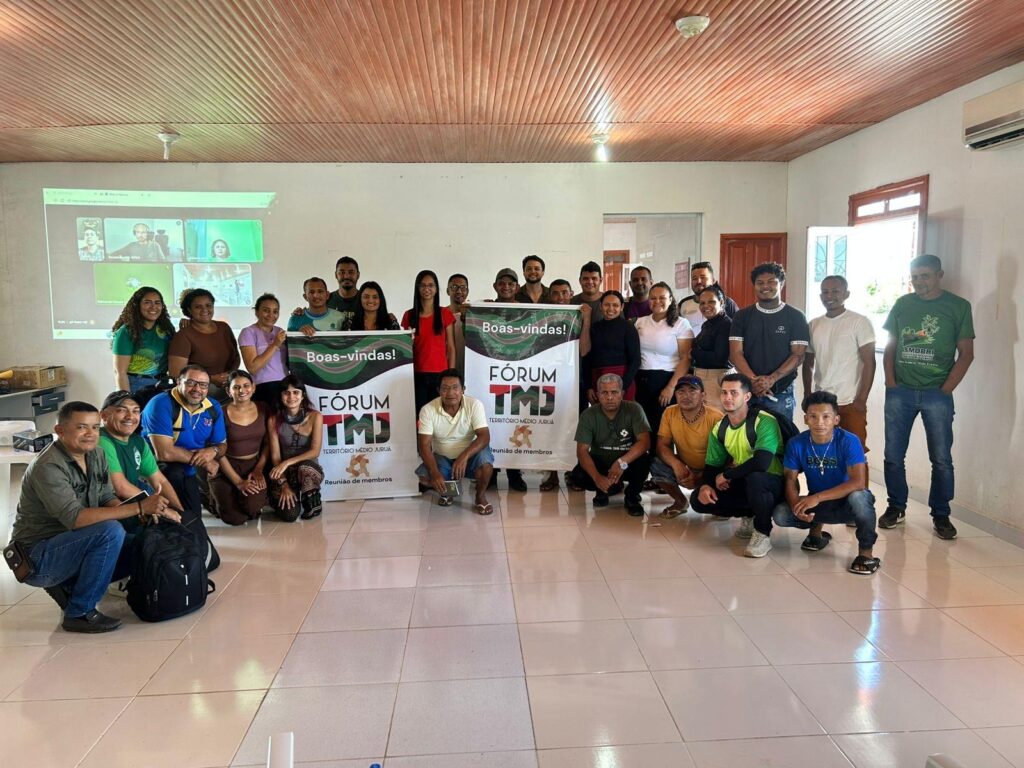
The forum enables greater coordination, helps avoid duplication of efforts and enhances results. In addition, it strengthens the legitimacy of actions, as they come to reflect decisions built in a broad, participatory and collective manner. It is within this context of collectivity that a new area of action is being consolidated, and which has become an important theme in these spaces, one that runs through every assembly and every organization, the role of new actors in building the future: youth! By engaging, young people expand this movement, encouraging others, especially other young people, to also occupy these spaces and recognize themselves as protagonists. Youth presence challenges, provokes and proposes solutions, whether in environmental protection, the valorization of local culture or the struggle for rights and opportunities. It is not only about being present; it is about influencing decisions, setting priorities and ensuring that the youth of the territory are seen and heard.
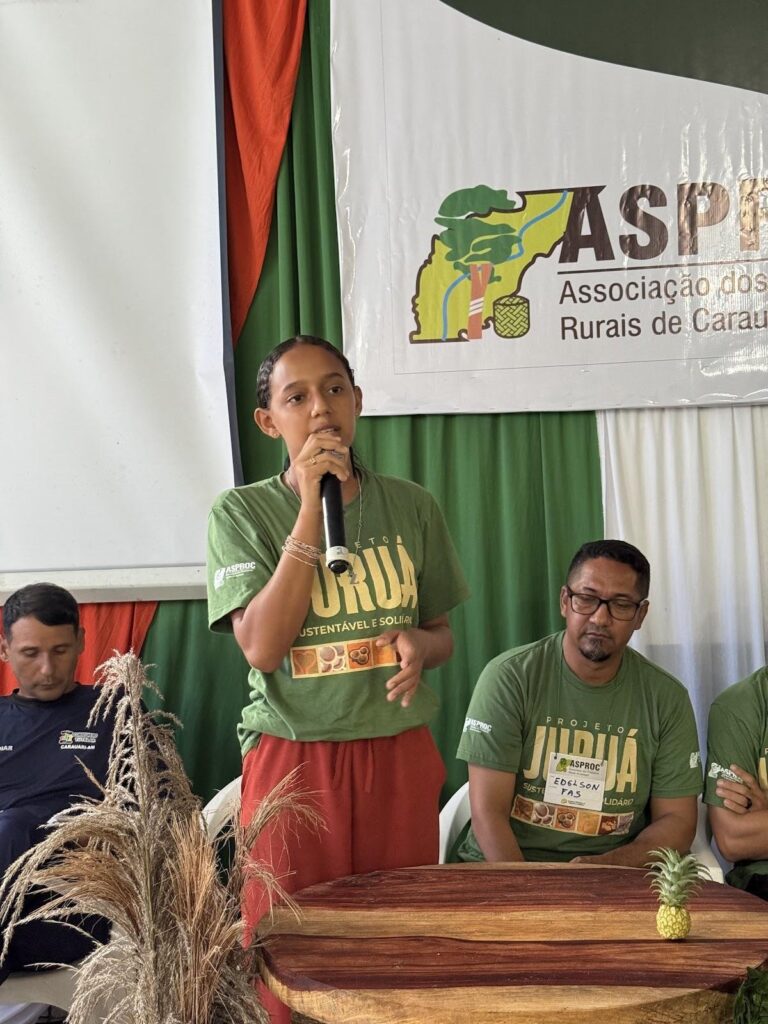
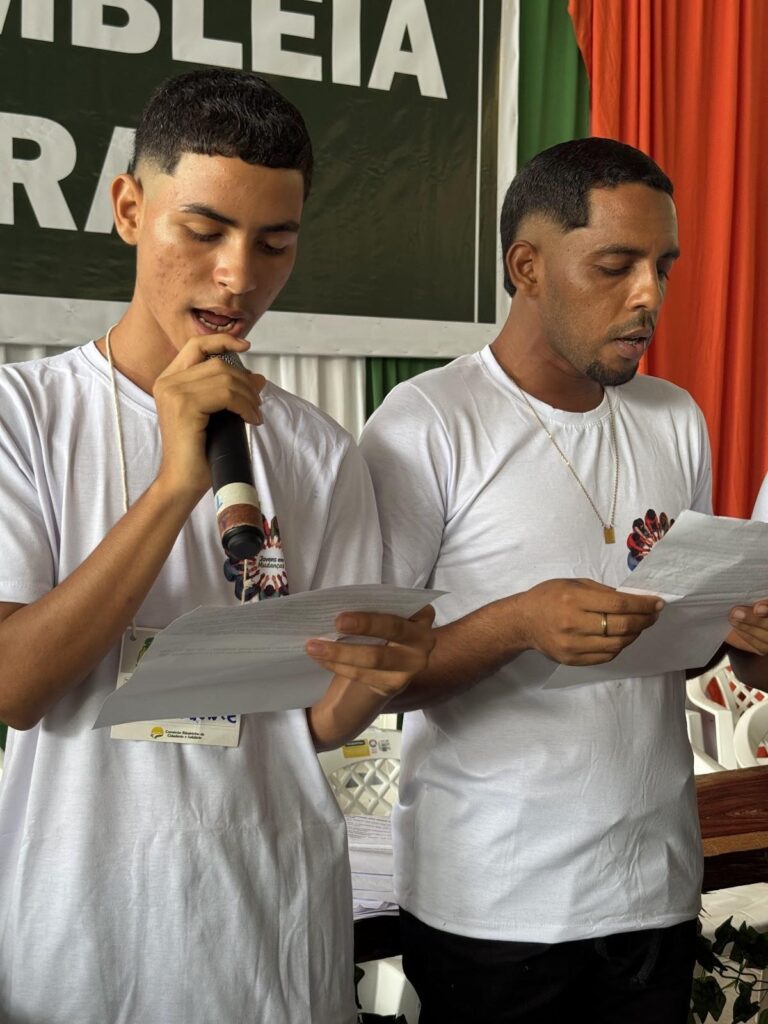
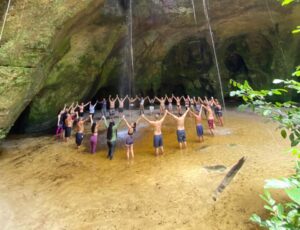
Young representatives of organized collectives from the TMJ, during the ASPROC 2026 Assembly. Photos: Maria Cunha / Instituto Juruá archive.
This participation also represents a learning and capacity-building process. Each assembly, each speech and each moment of listening contribute to the development of more conscious leaders, prepared to act both within and beyond the territory. Currently, the inclusion of women and youth has been a recurring theme in assembly spaces. This reflects the need for transformation so that new actors can be engaged and gain autonomy to take on roles within organizations that directly represent their needs. It is about recognizing that community empowerment depends on attentive listening, respect for diversity, and the construction of solutions rooted in local realities. This inclusion helps to strengthen women and youth, fostering more conscious, engaged and prepared leadership to occupy positions within their communities and organizations.
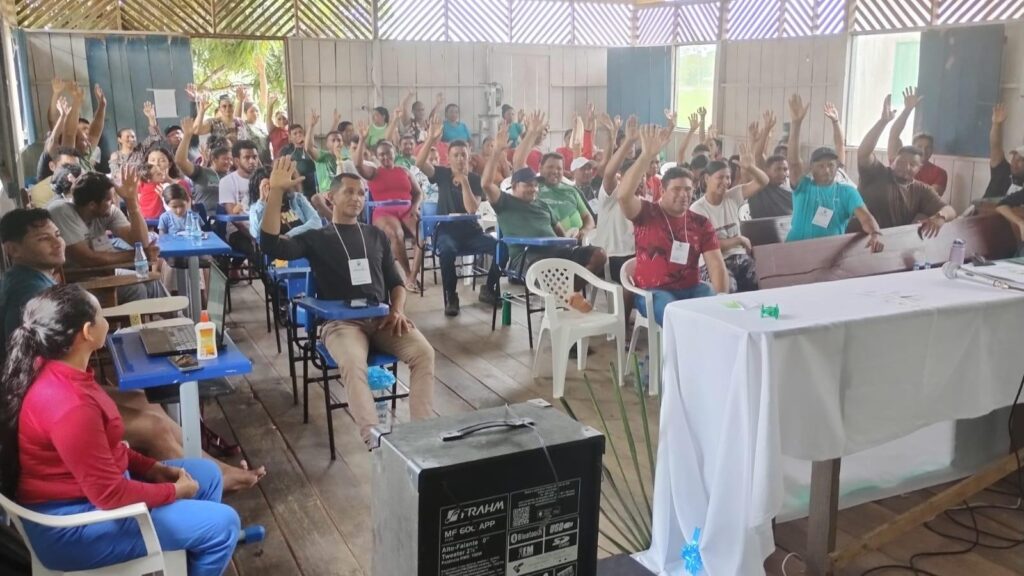
In summary, assemblies play a fundamental role in ensuring rights within the territory. They bring together demands, seek strategic solutions and transform local realities through representative organizations.
And Instituto Juruá, as one of the actors involved in these articulations and agendas, helps consolidate important themes within these spaces, bringing initiatives that support the construction of a more just, inclusive and participatory future.